March 15, 2026
April 4, 2026 · 7 min read
The short answer: Yes, NMN is legal to buy in the UK.
NMN is not banned. It is classified as a novel food "under assessment" by the UK Food Standards Agency. Products can continue to be sold while the review process is ongoing.
If you have been researching NMN supplements in the UK, you have probably encountered confusing headlines about bans, novel food regulations, and Amazon listings being pulled. So is NMN actually legal in the UK in 2026? The answer is yes — but the regulatory picture has some nuance worth understanding, especially if you want to make an informed purchase.
In UK food law, a "novel food" is any food or food ingredient that was not widely consumed in the country before 15 May 1997. That date is the cutoff the Food Standards Agency (FSA) uses to determine whether something needs additional safety assessment before it can be sold as a food supplement.
The novel food framework is not a ban. It is a regulatory process designed to ensure that newer food ingredients meet safety standards before they are widely marketed. Many ingredients you see on shelves today — from chia seeds to certain protein isolates — went through this same process before receiving full authorisation. The FSA maintains a public catalogue listing the status of various novel food ingredients, and NMN (nicotinamide mononucleotide) is listed there as "under assessment."
As of 2026, NMN's status in the UK can be summarised in three key points:
NMN is not banned. There is no law prohibiting the sale, purchase, or possession of NMN in the UK. You can legally buy NMN supplements from reputable retailers, and businesses can legally sell them.
NMN is classified as a novel food under assessment. Because NMN was not commonly consumed as a supplement before May 1997, it falls under the novel food framework. Several companies have submitted applications to the FSA for formal novel food authorisation, and those applications are currently being reviewed.
Products already on the market can continue to be sold. Under the UK's transitional arrangements, NMN products that were available for sale before certain regulatory dates are permitted to remain on the market while the assessment process continues. This means existing products from established suppliers are operating within the law.
For consumers, the practical impact is straightforward: you can buy NMN supplements legally in the UK from reputable brands. The key is choosing a supplier that takes quality seriously. When shopping for NMN supplements, look for brands that provide:
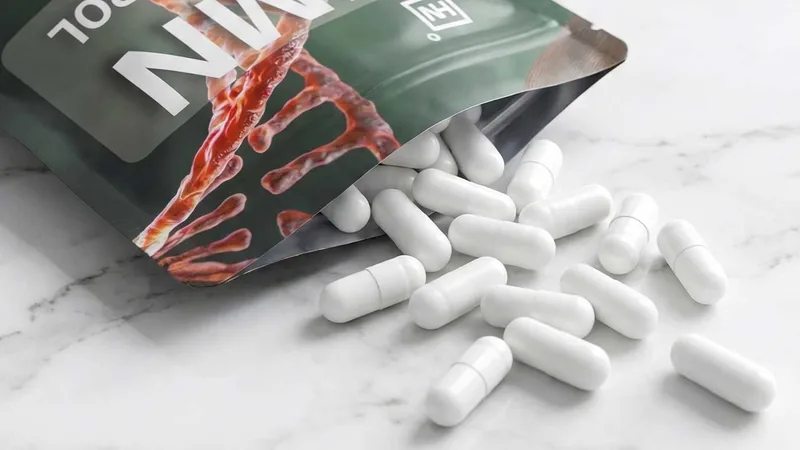
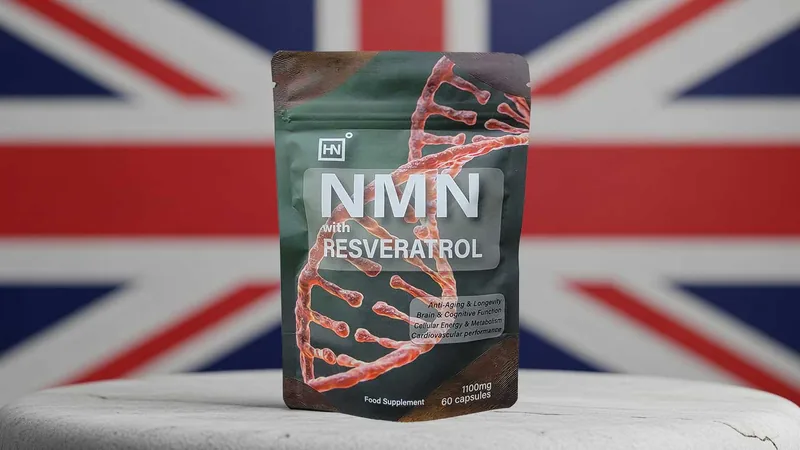
At Human Nutrients, every batch of our NMN + Resveratrol is independently tested for purity and potency. We believe transparency is non-negotiable, especially in a market where regulatory clarity is still evolving.
You may have noticed NMN products disappearing from Amazon UK. Amazon has flagged certain NMN listings as containing "unauthorised novel food" ingredients under its internal marketplace policies — which can be stricter than UK law. When Amazon flags NMN products, it is enforcing its internal compliance standards rather than reflecting a legal ban. NMN products remain available through brand-owned websites, independent health retailers, and other online stores that have reviewed the regulatory position.
This Amazon-specific situation is actually one reason many customers have shifted to buying directly from supplement brands. Purchasing directly often means better pricing, subscription options, and direct access to batch testing documentation.
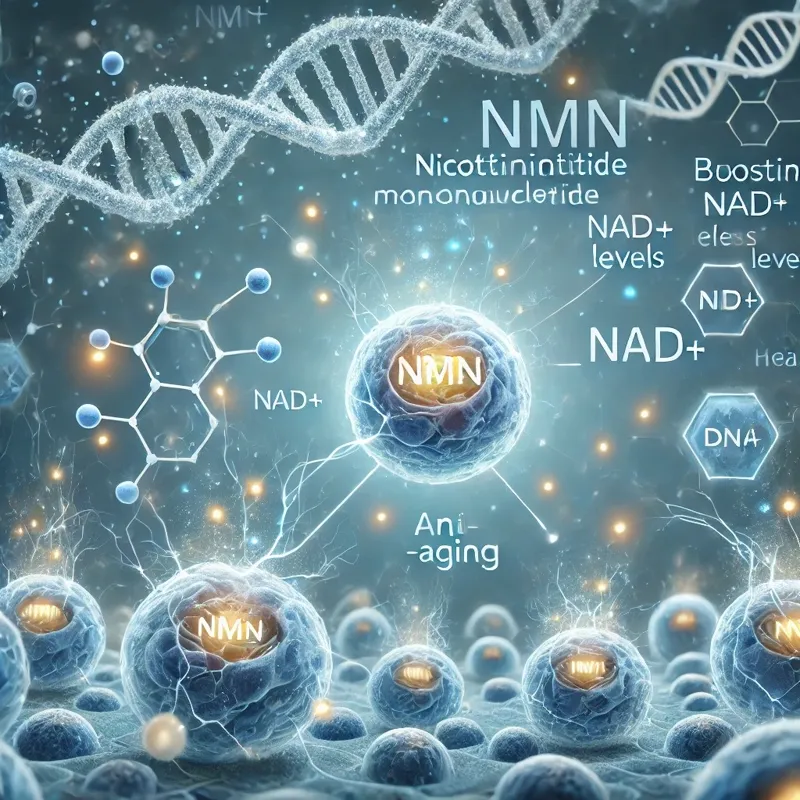
A common misconception is that "novel food" means "untested" or "unsafe." In reality, NMN has a growing body of clinical research behind it. Human clinical trials have evaluated NMN at doses up to 1,200mg per day and found it to be well-tolerated with minimal side effects. Studies published in peer-reviewed journals have demonstrated that NMN supplementation can raise NAD+ levels in humans, with potential benefits for cellular energy, metabolic health, and markers associated with aging.
The novel food classification simply means the ingredient needs to go through the FSA's formal review process — a process that evaluates the existing safety data and determines appropriate conditions of use. Given the volume of published research on NMN, many industry observers expect the outcome to be favourable.
Based on current regulatory activity, the outlook for NMN in the UK is cautiously positive. Multiple novel food applications are under active review by the FSA. The volume and quality of clinical safety data continues to grow. No regulatory body has moved to ban NMN outright. The UK supplement industry continues to invest in NMN products, signalling confidence in eventual authorisation.
A complete ban appears unlikely given the current trajectory. The more probable outcome is formal authorisation with defined conditions of use — similar to how other novel food ingredients have been approved in the past. That said, the regulatory process takes time, and there is no confirmed date for a final decision on NMN.
Is NMN banned in the UK?
No. NMN is not banned. It is classified as a novel food "under assessment" by the FSA. Products can continue to be sold while the review process is ongoing.
Can I legally buy NMN in the UK?
Yes. You can purchase NMN supplements from reputable UK-based retailers and online stores. Look for brands that provide third-party testing and transparent labelling.
Why was NMN removed from Amazon UK?
Amazon applies its own internal marketplace policies regarding novel food ingredients. This is an Amazon-specific decision, not a UK-wide ban. NMN remains available through other retailers.
Is NMN safe to take?
Clinical studies have evaluated NMN at doses up to 1,200mg daily and found it to be well-tolerated. As with any supplement, we recommend consulting your healthcare provider before starting. Visit our FAQ page for more details.
Will NMN be fully authorised in the UK?
While no final decision has been announced, the direction of current FSA activity and the growing body of safety research suggest a positive outcome is likely. We will update this page as new developments emerge.
This article is for informational purposes and does not constitute legal advice. Last updated April 2026. We monitor regulatory developments and will update this page as the FSA process progresses.
March 15, 2026