April 4, 2026
August 25, 2026 · 7 min read

In a randomised trial, the average tolerable infusion of 500 mg NAD+ ran three hours and three minutes. Saline took 85 minutes. The difference was not the chemistry. It was the participants turning the flow rate down.
Patients controlled their own rate. They slowed it because of nausea, cramping, chest tightness and hot flushes. One described feeling "queasy" and "a little woozy". The symptoms stopped the moment the bag emptied.
A separate review of real clinic records found the same pattern in the wild. All six people who took NAD+ intravenously reported moderate to severe abdominal cramping, diarrhoea, nausea, vomiting, raised heart rate or chest pressure. Their average infusion ran 97 minutes. The eight on nicotinamide riboside averaged 37.
That discomfort has a mechanism behind it. Extracellular NAD+ normally sits between 0.1 and 0.5 µM. Pushing it far above that range appears to trigger pro-inflammatory signalling. In the randomised trial, white cell and neutrophil counts rose in the NAD+ IV group and not in the others.
So the long infusion is not thoroughness. It is the body objecting.
The only controlled study of NAD+ infusion kinetics is small. Eight men received NAD+ intravenously at 3 µmol per minute for six hours, with plasma and urine sampled throughout.
Plasma NAD+ did not budge for the first two hours. Neither did nicotinamide, methylnicotinamide, ADP-ribose or NMN. By hour six, urinary excretion of NAD+ and methylnicotinamide had risen.
Read that twice. A meaningful share of what went into the vein came out in the urine, and the pyridine metabolites that cells actually take up were slow to appear.
That is the awkward part of the intravenous case. Cells cannot import intact NAD+. It has to be broken down into smaller pieces first, which is the same bottleneck an oral dose faces. Bypassing the gut does not bypass that step.
Eight men, no control arm, one dose. Treat it as a description, not a verdict.
In 2024, a randomised placebo-controlled study compared four arms: 500 mg NR intravenously, 500 mg NAD+ intravenously, 500 mg NR orally, and saline. Thirty-seven people in the first phase, sixteen in a second.
Peak blood NAD+ rose 20.7% from baseline on intravenous NR. At the three-hour mark, that beat both NAD+ IV and the oral capsule at p<0.01.
Intravenous NAD+ was outperformed by intravenous NR on blood NAD+ concentration, took 75% longer to infuse, and was the only arm with a rise in white cell count. No arm reported an attributable adverse event over 14 days.
Source: Hawkins et al., medRxiv preprint, 2024 (n=37 and n=16). Funded by ChromaDex, which sells NR.
Two caveats matter. It is a preprint, so it has not been through peer review. And it was funded by a company that sells the winning ingredient.
Neither caveat rescues the NAD+ drip. Its own numbers were poor on the sponsor's terms and on the independent clinic records. A 20.7% peak is also a modest figure to put next to a £350 invoice.
Forty-two healthy men aged 65 and over took 250 mg of NMN or placebo daily for 12 weeks. Whole-blood NAD+ rose around sixfold on mass spectrometry.
Gait speed and left-hand grip strength improved. Right-hand grip did not. Skeletal muscle mass was unchanged.
Twelve weeks of 250 mg NMN daily raised whole-blood NAD+ roughly sixfold in healthy older men, with modest gains in walking speed and one grip measure. No significant adverse effects were reported.
Source: Igarashi et al., npj Aging, 2022 (n=42).
A separate trial gave 250 mg to 25 postmenopausal women with prediabetes for 10 weeks. Muscle insulin sensitivity, measured by hyperinsulinaemic-euglycaemic clamp — the reference method, where insulin and glucose are infused together and uptake is measured directly — rose 25%. Body weight and composition did not change.
Different assays, different populations, so a capsule cannot be lined up against a drip in one number. But nothing here suggests the oral route is the weak link people assume. Our NMN dosage guide covers timing and how the dose scales.
Here is the part the clinics leave out, and so does most of our own category.
A 2024 systematic review pooled eight randomised trials of oral NMN in 342 middle-aged and older adults, at 250 to 2,000 mg a day for 14 days to 12 weeks. It found no significant benefit on fasting glucose, fasting insulin, HbA1c, HOMA-IR or lipid profile.
Across eight randomised trials in 342 adults, NMN produced no significant change in fasting glucose, fasting insulin, HbA1c, insulin resistance or lipids compared with placebo. The authors noted the trials were short and mostly in healthy people.
Source: Chen et al., Current Diabetes Reports, 2024 (8 RCTs, n=342).
Raising NAD+ is not in dispute. Both routes do it. What remains unproven is whether the raised level changes an outcome you would notice.
The infusion evidence is thinner still. The clinic-records study found no change in hs-CRP, ALT, AST, BUN/creatinine or TSH after 30 days, and its metabolic findings came from six and eight people with no placebo arm. That is a pilot, not a result.
If someone quotes you a benefit from a drip, ask which trial, in how many people, against what control.
Central London clinics advertise NAD+ infusions from £350 a session. Some list £450 for a 500 mg dose. Clinics outside London tend to run 30–50% cheaper, and a few advertise low-dose versions from £80.
The compounding pharmacy protocol used in the clinic-records study was four consecutive daily infusions as a loading course. At £350 each, that is £1,400 before any maintenance sessions.
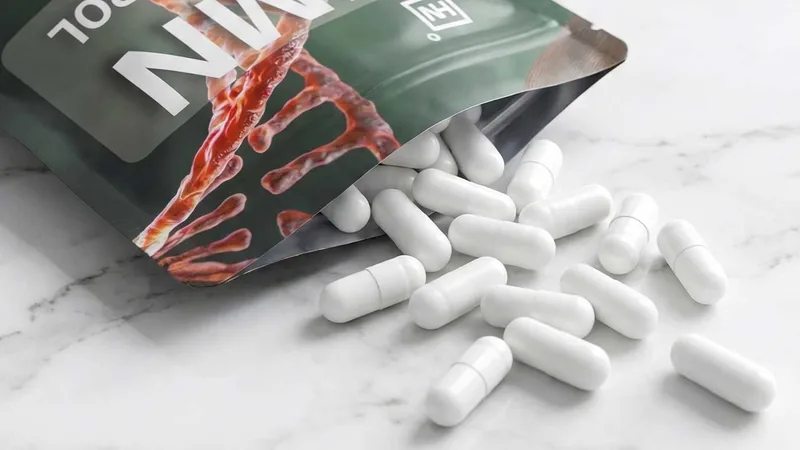
Daily oral NMN at 250 mg runs about £30 a month in the UK, or roughly £360 a year. That is a twelvefold difference against monthly infusions, for a route with more published human data behind it.
Cost is not evidence. But when two options have thin evidence and one costs twelve times more, the cheaper one carries less regret.
The Care Quality Commission has stated that providers administering intravenous therapy and prescription-only medicines should be registered with it. That registration covers clinical services delivered to patients, and it is not optional for anyone offering them.
In practice, some clinics position themselves as wellness rather than healthcare and sit outside that scope. The CQC has said it looks at the reality of the service, not the label on the website. Registration status is a fair thing to ask about before you book.
IV wellness drips are not licensed medicines. They hold no UK marketing authorisation, which means no regulator has assessed that specific formulation for efficacy.
Oral NMN sits in a different bind. It has no authorisation under the GB novel foods regime, which we cover in Is NMN legal in the UK?. Neither route is a regulated, assessed product. Anyone implying otherwise is selling.
Take the capsule, at 250 mg, and judge it on markers rather than feel.
That is not brand loyalty. It is where the human data sits: 42 men, 25 women, eight pooled trials, all oral. The intravenous literature amounts to eight men in a kinetics study, 53 people in an unreviewed preprint and 14 sets of clinic notes.
If you want to test whether any of it does something for you, spend a fraction of the £350 on baseline bloods instead. Fasting insulin, HbA1c and hs-CRP before you start, and again at 12 weeks. Then you have your own data rather than a testimonial.
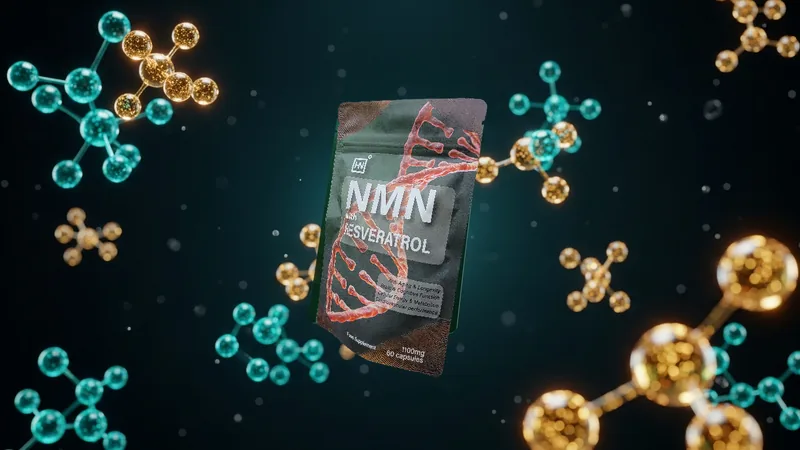
And keep the expectation calibrated. Blood NAD+ will very likely rise. Whether anything downstream of that shifts is still an open question — which is why we publish the null meta-analysis alongside the trials that went our way. If you are weighing brands, our honest UK comparison lays out what to check on a label, and NMN + Resveratrol is the version we make.
One session on a drip, or three years of capsules. On current evidence, that is not a close call.
April 4, 2026
April 4, 2026